Contact us

TRIBAL AREA

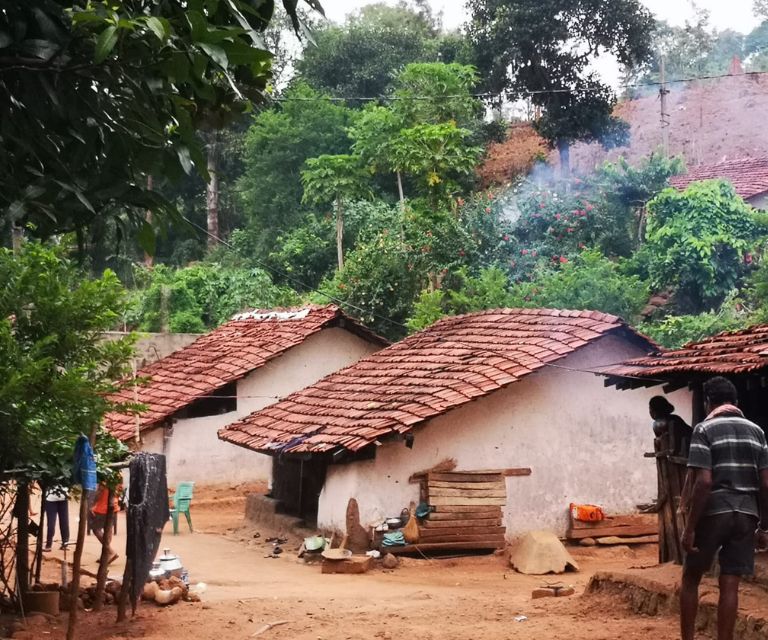
Tribal areas in India are often remote and challenging to access, with significant populations residing not only in the Northeast but also across central regions of the country. Scheduled Tribes constitute approximately 8.6% of India’s total population, equating to around 104 million individuals. These communities are dispersed throughout various states.

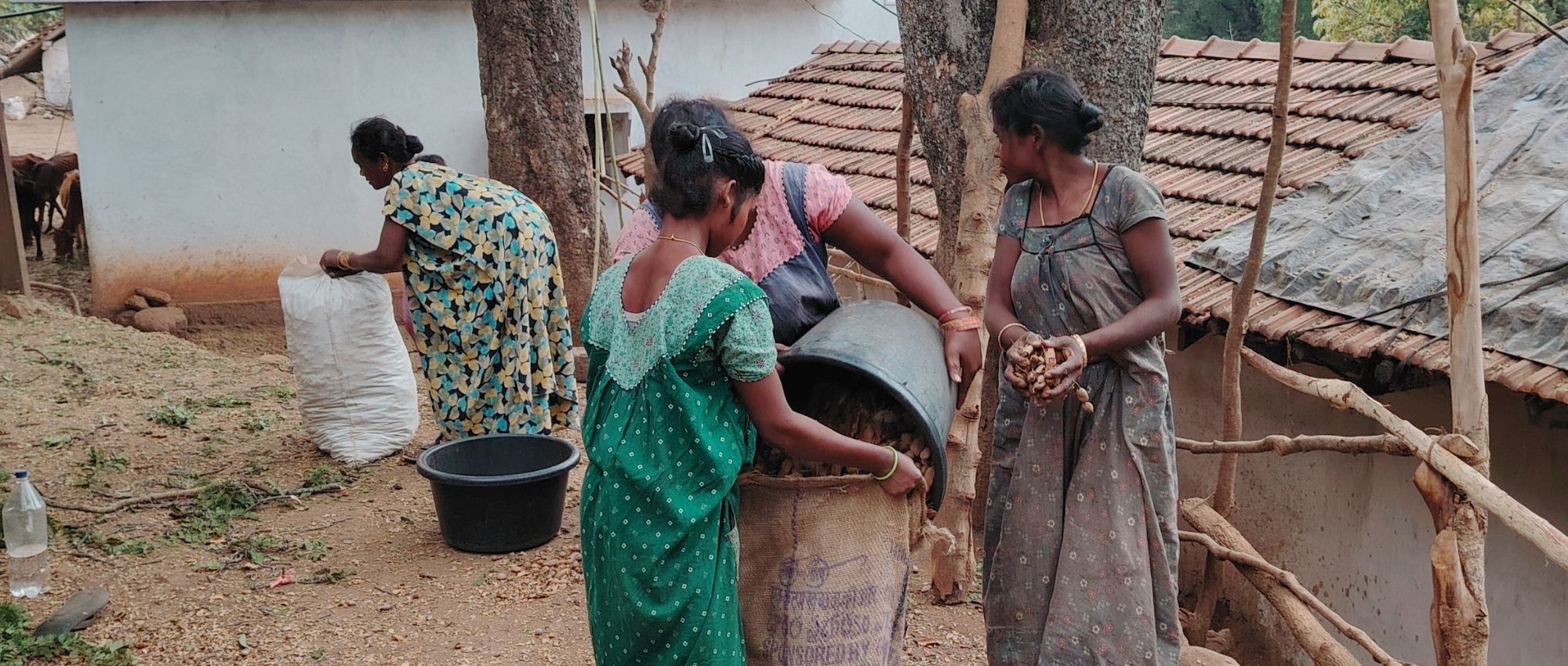
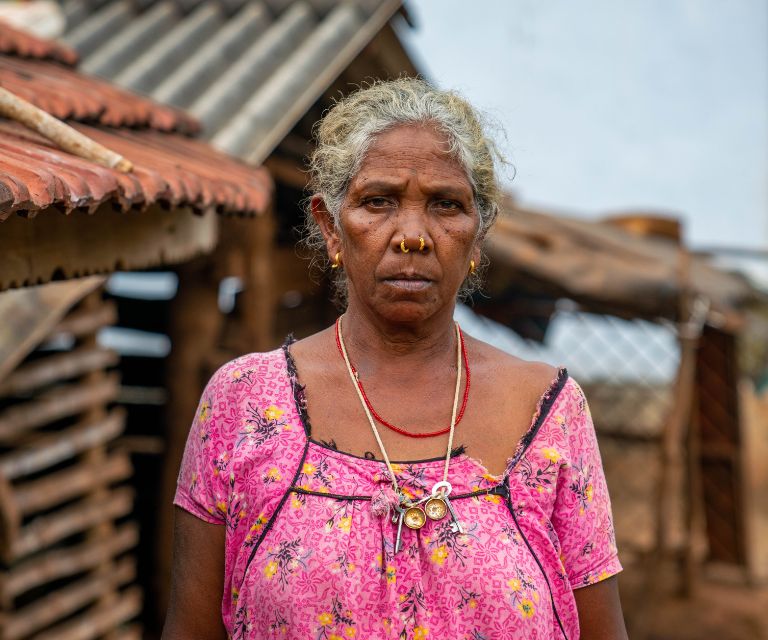
The Adivasi are considered descendants of communities that lived in India before the arrival of the Aryans. Over centuries, they sought refuge in isolated and inaccessible areas, developing a way of life deeply connected to nature, from which they derive their sustenance. Despite their rich cultural heritage, Adivasi communities often face significant socio-economic challenges, including higher levels of poverty compared to other segments of the Indian population. Addressing these challenges requires targeted interventions that respect and integrate the unique cultural identities of Adivasi communities, aiming to improve their socio-economic conditions and promote inclusive development.
TRIBAL AREA

WHY

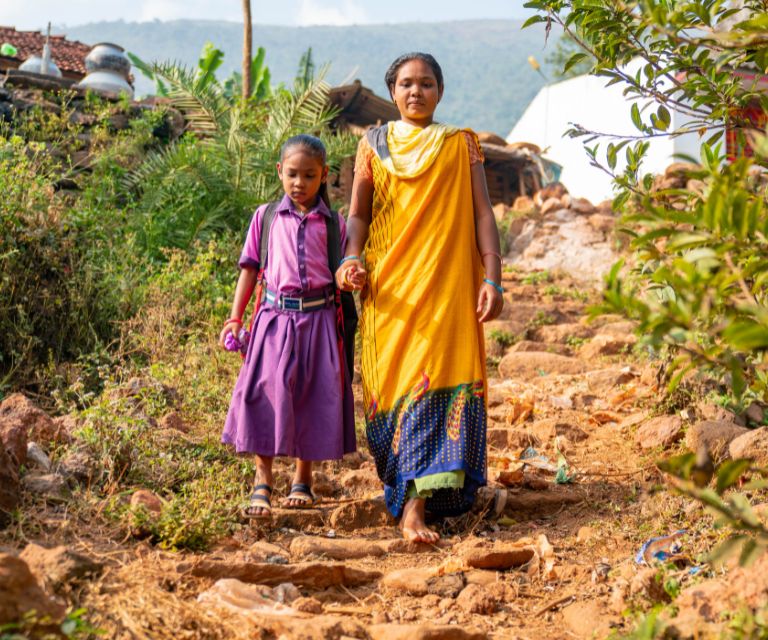
Adivasi communities in Andhra Pradesh face significant educational challenges. As of 2011, the literacy rate among Scheduled Tribes (STs) in the state was 50%, a notable increase from 8.53% in 1961. Despite this progress, the literacy rate among STs remains below the state average of 66.67%, indicating a persistent educational gap. The dropout rate of 9.54% among tribal students is concerning . Access to education in tribal areas is hindered by several factors. Many hilltop and interior villages lack primary schools or alternative educational facilities, making universal primary education elusive for tribal children. This issue is more pronounced among female children and Particularly Vulnerable Tribal Groups (PVTGs). Child malnutrition remains a pressing concern.

WHY

WHAT

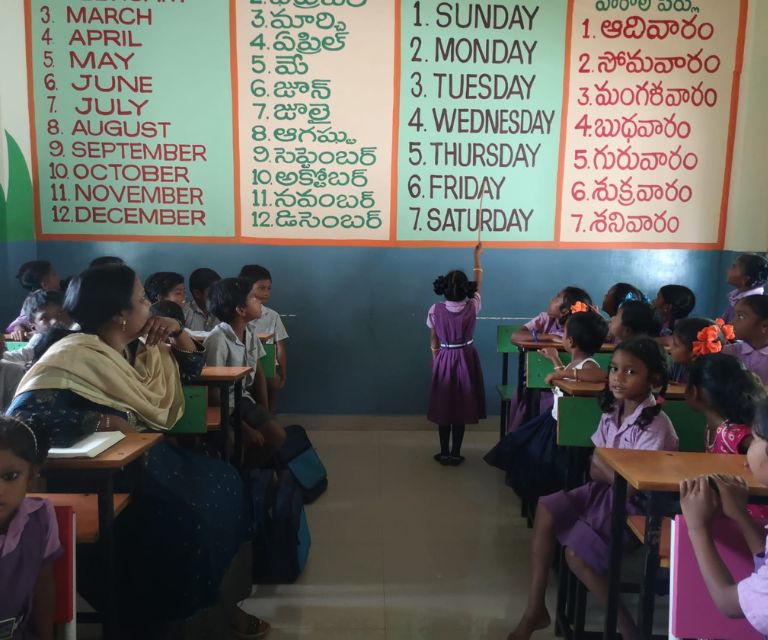
In the Alluri Sitharama Raju (ASR) district, many Adivasi communities face significant educational challenges, including inadequate school infrastructure and a shortage of qualified teachers. These issues contribute to low literacy rates and to address the challenges, we have initiated a project in Dekkapuram village aimed at promoting literacy and education. A model school was built, trainings organised for teachers, and awareness created among the communities on the importance of education as a tool for empowerment and development. These efforts aim to improve educational access and outcomes for Adivasi children, emphasizing the importance of education as a tool for empowerment and development.

WHAT

HOW

In Dekkapuram village, we constructed a primary school from the ground up, accommodating 30 children. During the pandemic, we supported the entire community. We continue to assist Dekkapuram School through routine maintenance, ongoing teacher training, community education on the importance of education as a tool for empowerment, and the provision of school materials. Water plant has been established to ensure safe drinking water to the househods nearby.

HOW