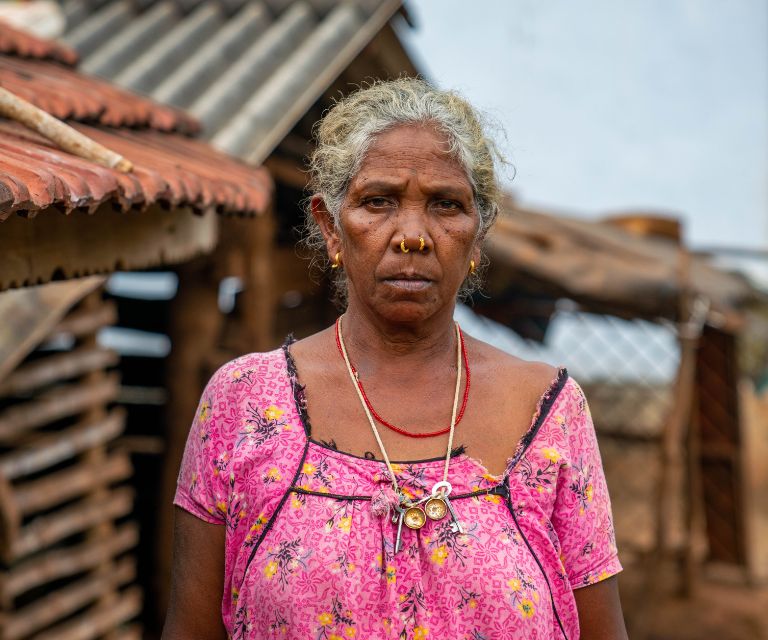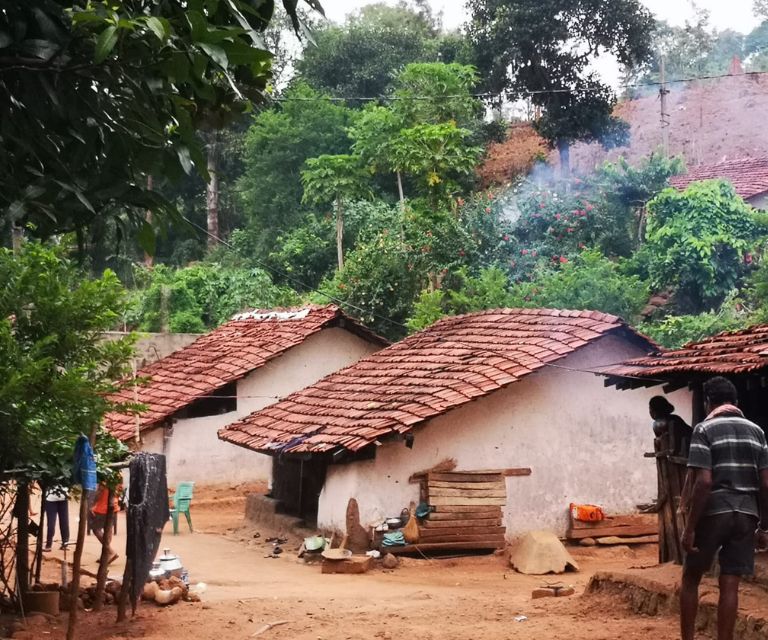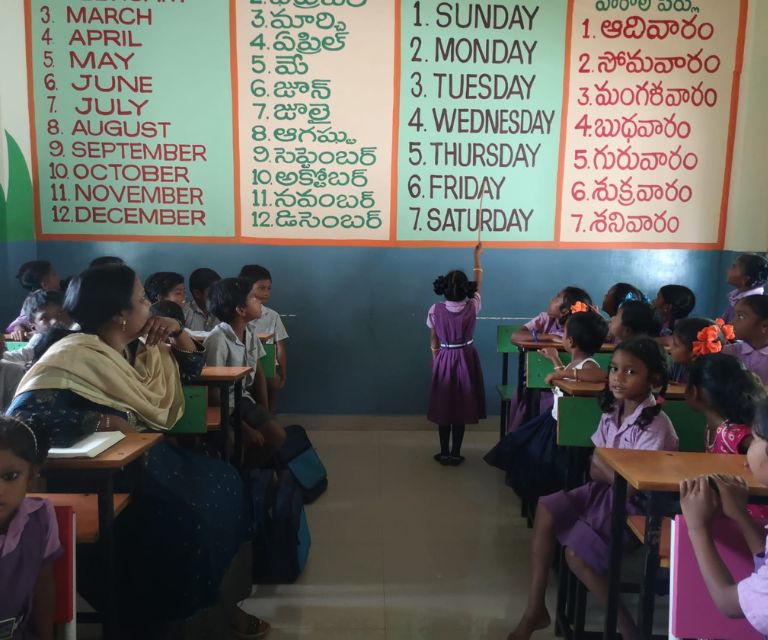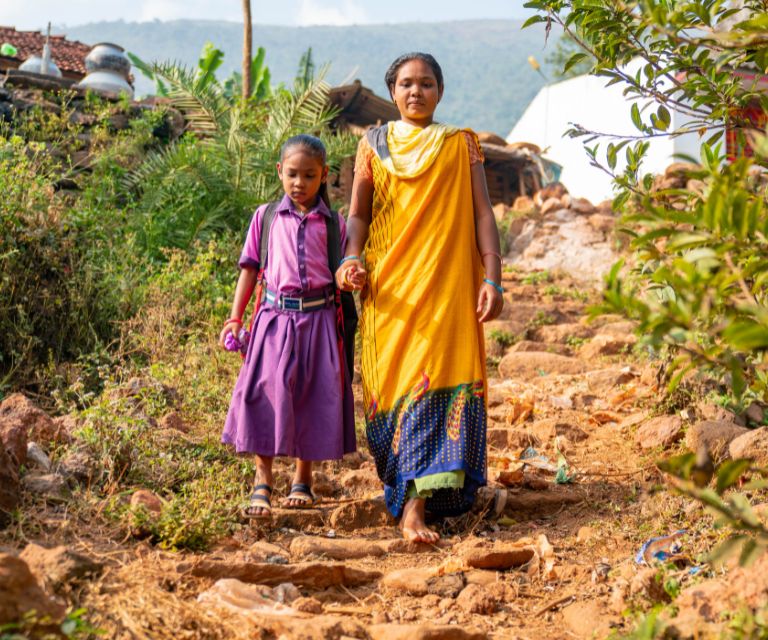
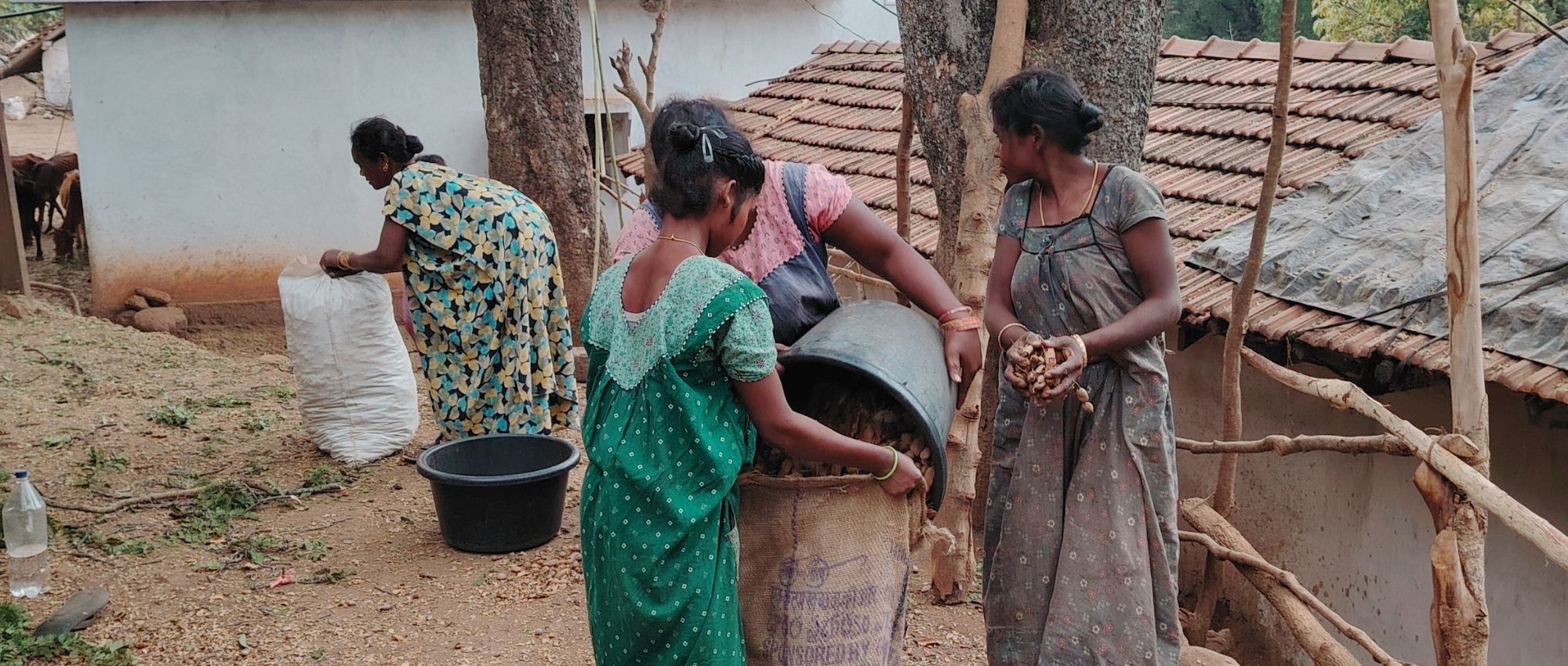
Tribal areas in India are often remote and challenging to access, with significant populations residing not only in the Northeast but also across central regions of the country. Scheduled Tribes constitute approximately 8.6% of India’s total population, equating to around 104 million individuals. These communities are dispersed throughout various states.
The Adivasi are considered descendants of communities that lived in India before the arrival of the Aryans. Over centuries, they sought refuge in isolated and inaccessible areas, developing a way of life deeply connected to nature, from which they derive their sustenance. Despite their rich cultural heritage, Adivasi communities often face significant socio-economic challenges, including higher levels of poverty compared to other segments of the Indian population. Addressing these challenges requires targeted interventions that respect and integrate the unique cultural identities of Adivasi communities, aiming to improve their socio-economic conditions and promote inclusive development.